



HVAC Preventive Maintenance in Arizona for Reliable Comfort
Arizona heat puts serious stress on your HVAC system. If your unit is not cleaned, checked, and tuned regularly, small issues can turn into expensive breakdowns at the worst time.
Our HVAC preventive maintenance service in Arizona helps your system run cleaner, cooler, and more efficiently. We inspect key parts, clean buildup, test performance, and help prevent surprise failures before they happen.
- Lower monthly energy bills
- Fewer emergency repairs
- Better cooling performance
- Longer HVAC system life
- Service for homes and businesses
HVAC Preventive Maintenance Overview
HVAC preventive maintenance is a scheduled tune-up that keeps your heating and cooling system working properly. It is designed to catch small problems before they become major repairs.
In Arizona, HVAC systems run for long hours through extreme heat. Dust, dirty coils, clogged filters, low refrigerant, weak airflow, and thermostat issues can all reduce performance.
Our maintenance service focuses on:
- Full system inspection
- Better cooling efficiency
- Cleaner airflow
- Early problem detection
- Safer system operation
- Long-term equipment protection
- heating and air conditioning services
Regular service helps your system stay ready when Arizona temperatures climb.
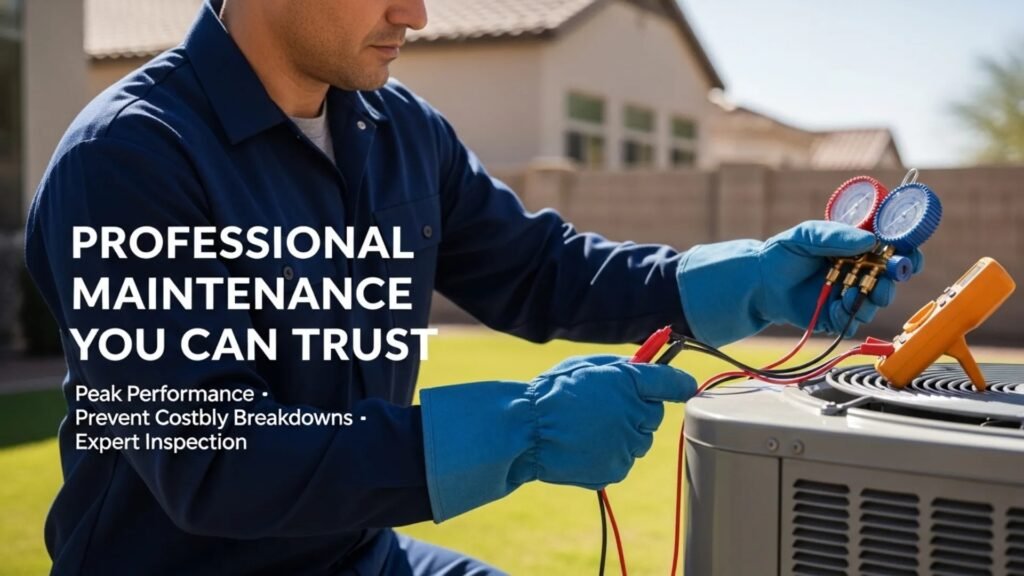
Common HVAC Problems Maintenance Helps Prevent
Dirty Coils
Dust and debris on coils reduce cooling performance. Coil cleaning helps your system transfer heat better and run more efficiently.
Weak Airflow
Poor airflow can make rooms feel warm even when the system is running. We check airflow, filters, vents, and blower performance.
Low Refrigerant Levels
Low refrigerant can reduce cooling and put pressure on the compressor. We check levels and look for signs of leaks.
Thermostat Problems
A poorly calibrated thermostat can cause short cycling, uneven comfort, or wrong temperature readings.
Electrical Wear
Loose connections, worn parts, and aging components can create safety risks or cause sudden shutdowns.
Drain Line Issues
Blocked drain lines can lead to water leaks, humidity problems, and system damage if ignored.
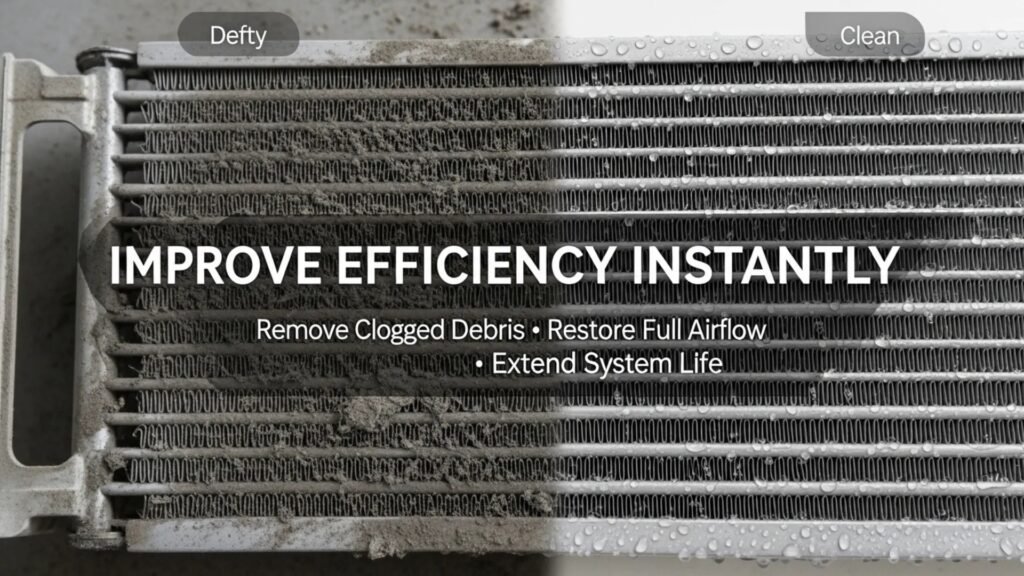
Why Regular HVAC Maintenance Pays Off
- Lower energy bills from cleaner system operation
- Fewer breakdowns during peak summer heat
- Better airflow and more even comfort
- Longer system lifespan
- Improved indoor air quality
- Less stress on motors, coils, and electrical parts
- Better chance of finding issues before they get expensive
A tuned HVAC system does not need to work as hard. That means better comfort and less wasted energy.
HVAC Maintenance Cost in Arizona
HVAC maintenance cost depends on system type, service level, and whether you need a one-time tune-up or ongoing service plan.
Pricing can depend on:
- Residential or commercial system
- Number of HVAC units
- System age and condition
- Coil cleaning needs
- Filter and airflow condition
- Any needed adjustments or minor repairs
- Maintenance plan or one-time visit
We provide clear pricing before service begins. If we find an issue during maintenance, we explain it clearly and give honest recommendations before any repair work.
Why Arizona Homeowners and Businesses Choose Us
Experienced HVAC Technicians
Your system is checked by trained technicians who know how Arizona heat affects HVAC equipment.
Honest Maintenance Recommendations
We do not push repairs you do not need. We explain what we find and what matters most.
Built for Arizona Climate
Local systems face heat, dust, and long cooling cycles. Our tune-ups are designed for those conditions.
Better System Performance
We clean, test, and adjust your system so it can cool more effectively.
Preventive Service Mindset
Our goal is to help you avoid emergency repairs, not just react after something breaks.
Service Agreement Options
Maintenance plans help keep your system protected year-round with scheduled service.
Maintenance or Repair: Why It Matters
Preventive maintenance helps you avoid many repair problems before they start. Emergency repair is needed after the system has already failed.
Maintenance Is Best When:
- Your system is still working
- You want to avoid breakdowns
- Energy bills are rising
- Cooling feels weaker than before
- You want to extend system life
- Commercial HVAC maintenance plans
Repair May Be Needed If:
- The system will not turn on
- Warm air is coming from vents
- You hear loud noises
- Refrigerant is leaking
- A major part has failed
Regular maintenance costs less than most emergency repairs and helps reduce stress during Arizona’s hottest months.
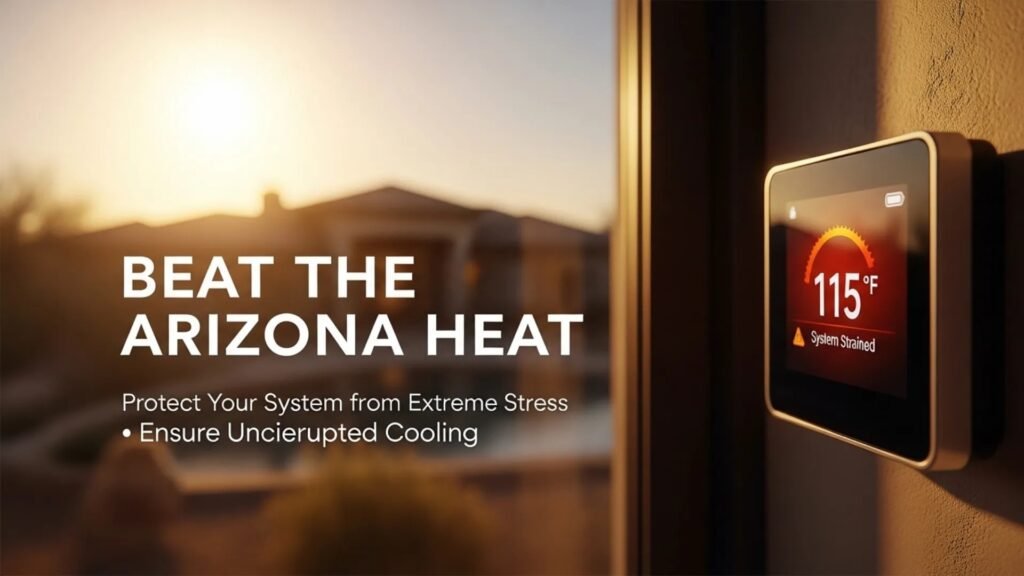
Local HVAC Maintenance Experts in Arizona
We provide HVAC preventive maintenance for homeowners and businesses across Arizona, including:
Arizona’s dry heat, dust, and long cooling season can wear down HVAC equipment faster. If you are searching for “HVAC maintenance near me,” our team is ready to help keep your system ready for the season.
Our HVAC Maintenance Process
- Schedule Your Appointment You book a time that works for your home or business.
- System Evaluation We inspect major components, airflow, thermostat settings, electrical parts, and system condition.
- Professional Tune-Up We clean, test, adjust, and check key parts to improve system performance.
- Clear Recommendations If we find an issue, we explain it in simple terms and provide honest next steps.
- Long-Term Protection We help your system stay efficient, reliable, and ready for Arizona heat.

Don’t Wait Until Your System Fails
Arizona heat is too intense to wait for a breakdown. A regular HVAC tune-up helps protect your comfort, lower energy waste, and extend system life.
With our HVAC preventive maintenance service, you get:
- Full system inspection
- Coil cleaning and airflow checks
- Refrigerant level review
- Honest recommendations
- Thermostat calibration
- Better system reliability
- HVAC service agreements
have a question?
Frequently Asked Questions
At least once a year. In Arizona, twice a year is often better because systems run heavily during long cooling seasons.
It usually includes system inspection, coil cleaning, refrigerant checks, airflow testing, thermostat calibration, and performance review.
Yes. Maintenance can lower energy costs, reduce breakdowns, improve comfort, and extend equipment life.
Costs vary by system type and service needs. Maintenance is usually much cheaper than emergency repair.
Yes. Regular maintenance helps catch small issues early before they turn into major system failures.